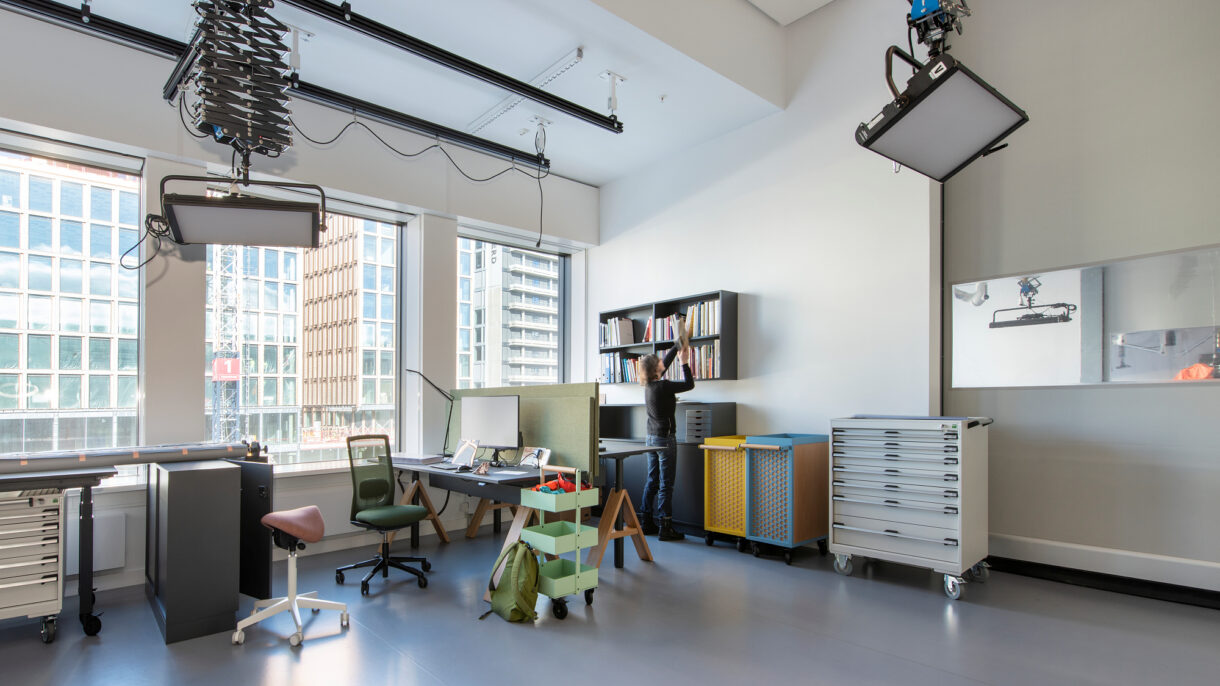
.jpg "Fotostudio | Arkitekt: Kleihues+Schuwerk | Fotograf: Ina Wesenberg / Nasjonalmuseet")

.jpg "National Museum Of Norway Photo Iwan Baan 1 3")
Nasjonalmuseet
2022.08.02 14:21
In the new National Museum you can experience art, architecture and design all under one roof and in completely new ways. The museum has been built with ambitious climate criteria and is a pilot project in the FutureBuilt programme.
Developer:
Statsbygg
Municipality:
Oslo
Architect / Interiour Architect:
Kleihues+Schuwerk
Landscape Architect:
Østengen og Bergo
Status
Completed(2022)
Project Description
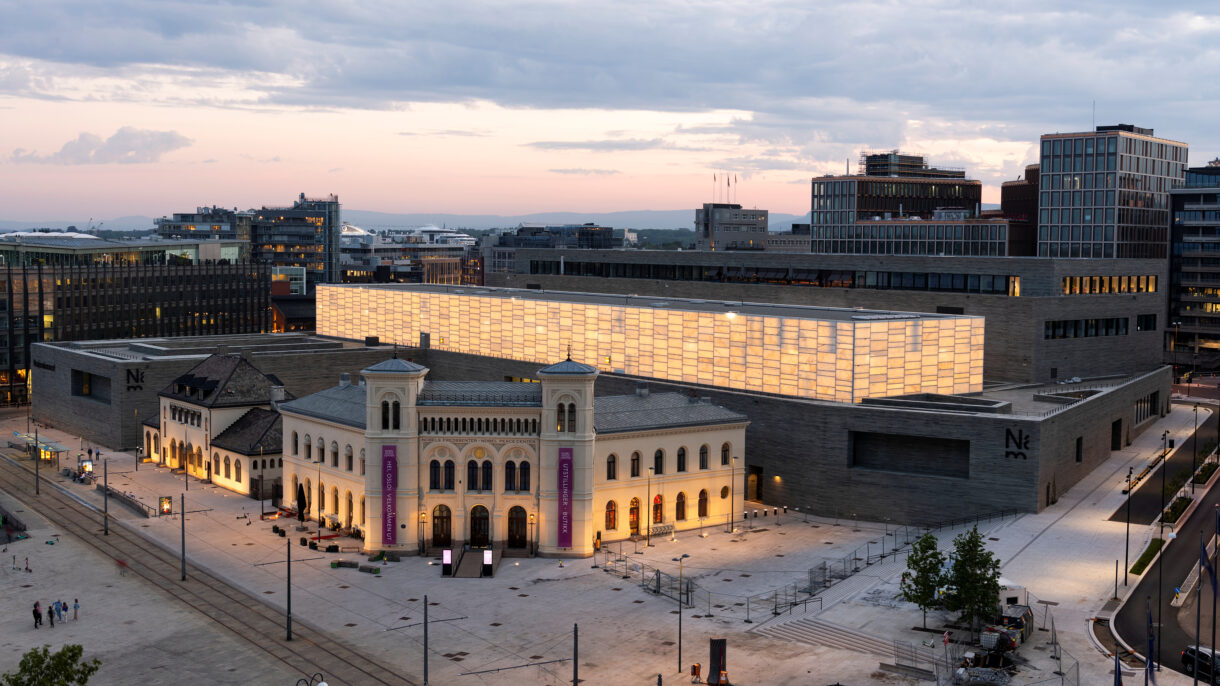
The basic idea for the new National Museum is to use the available resources carefully. The museum is built using robust materials that can withstand the test of time with dignity and is clad with natural stone. The project has high environmental ambitions and is planned according to environmental goals in four key categories: greenhouse gas emissions, energy, material choice and technical building solutions.
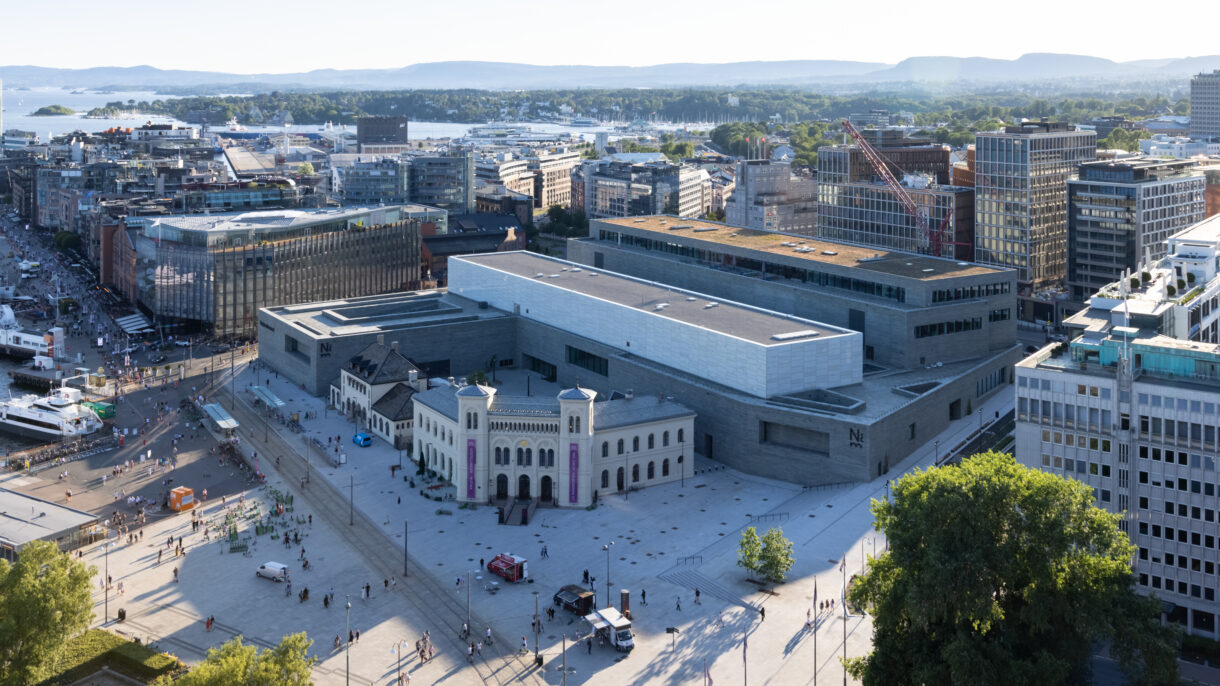
The new museum is centrally located in Oslo, adjacent to Aker Brygge on the waterfront, and is part of the city´s silhouette towards the fjord. The site was previously one of Oslo’s main train stations, and the existing station buildings, which are conservation objects, have been retained.
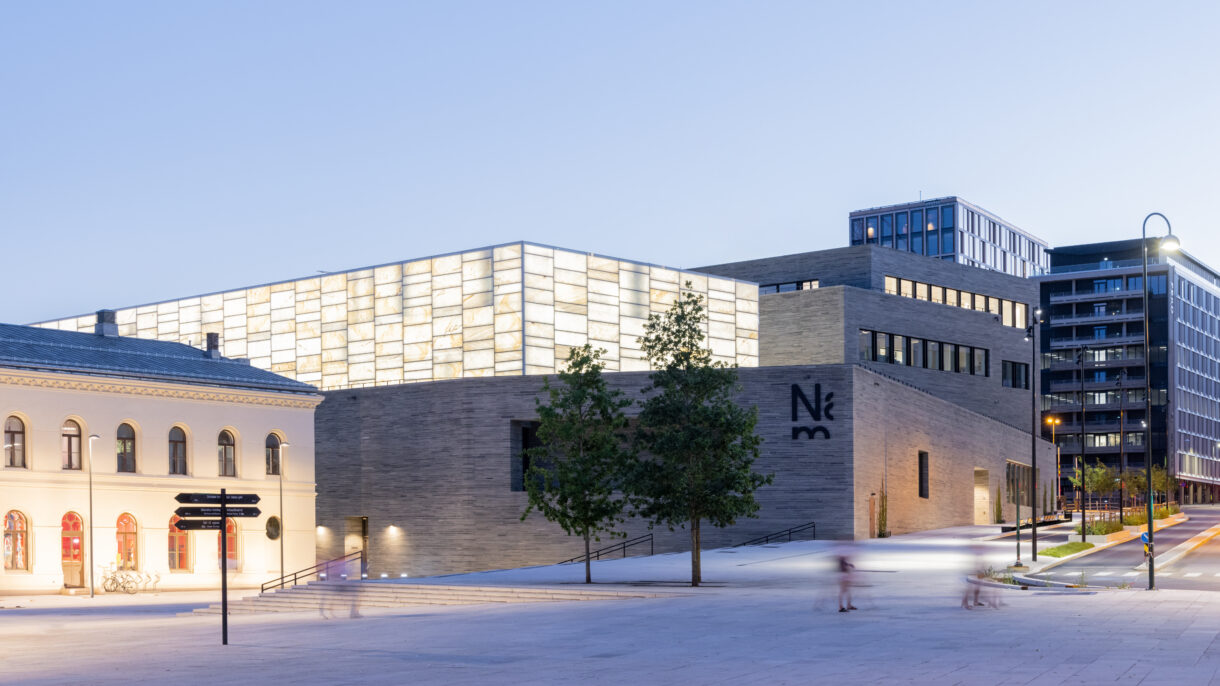
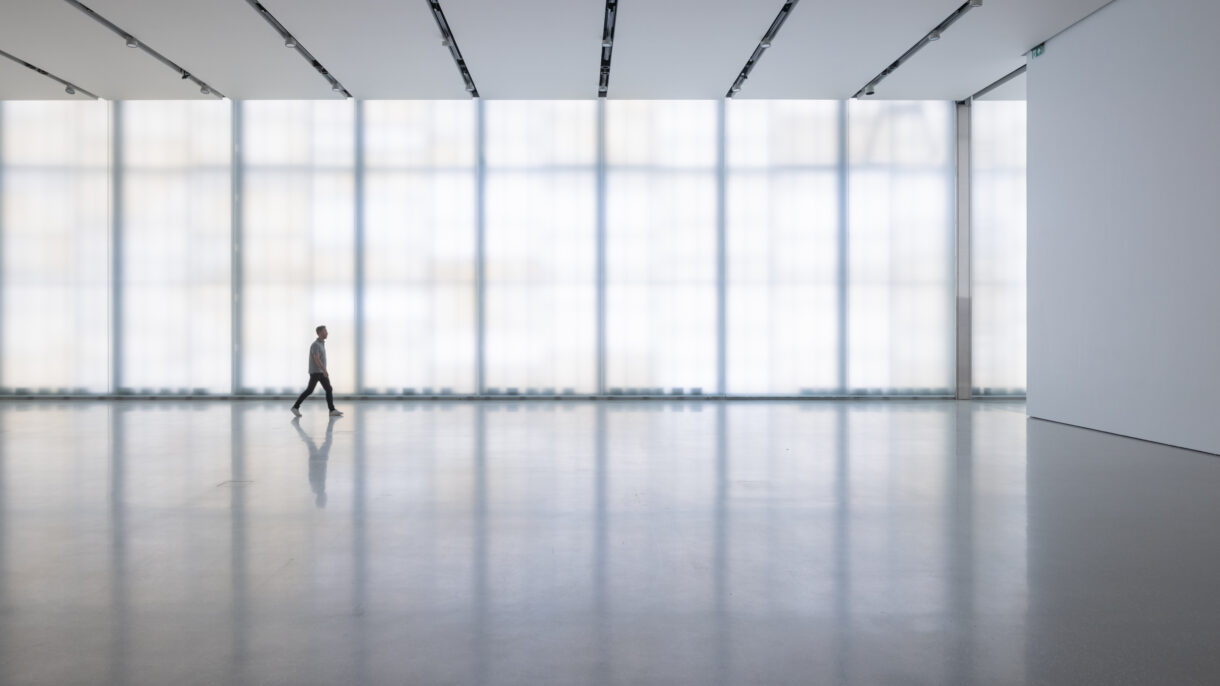
The museum is designed as a long, horizontal building that creates a new courtyard towards the former train stations buildings. This new space will house sculptures, art installations and outdoor seating for the restaurants. The building steps up to a horizontal big exibition hall, the highest volume. With its transparent walls this illuminated hall will be a visible part of the urban landscape in the evening. There is a large roof terrace accessed through the museum, with a wonderful view of the Oslo fjord and the Akershus fortress.
The new building has nearly the same cornice height as the station buildings and meets its historic surroundings with respect – elegant and with a hushed monumentality.
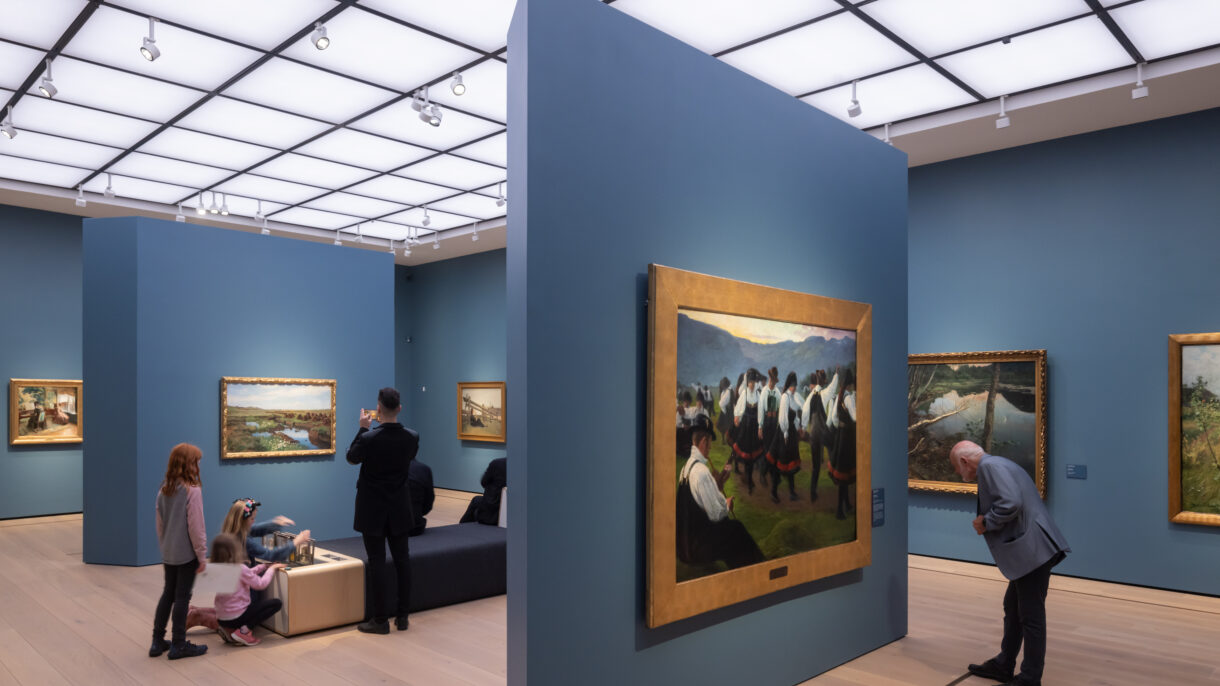
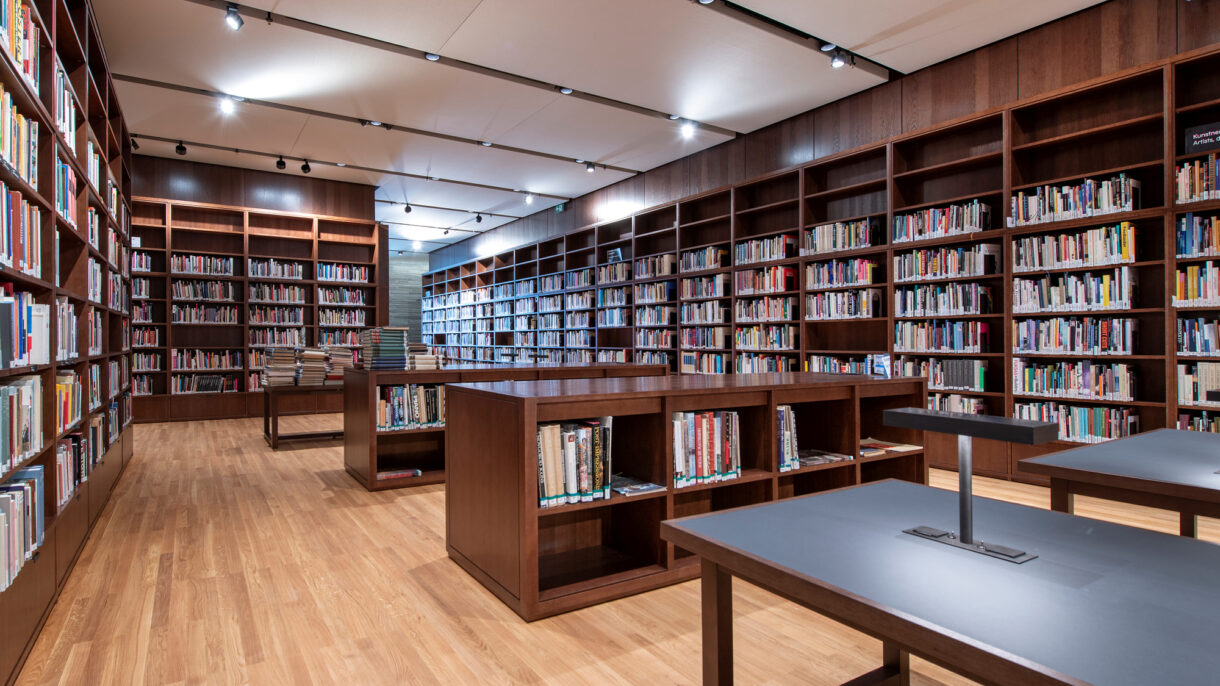
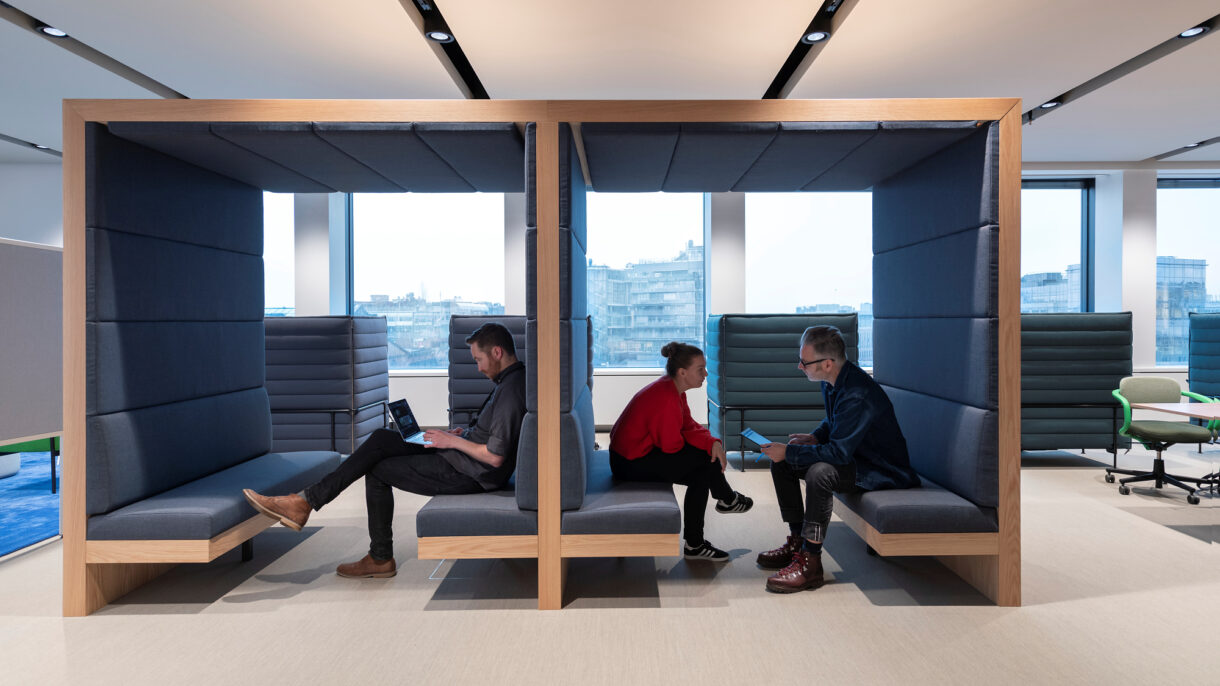
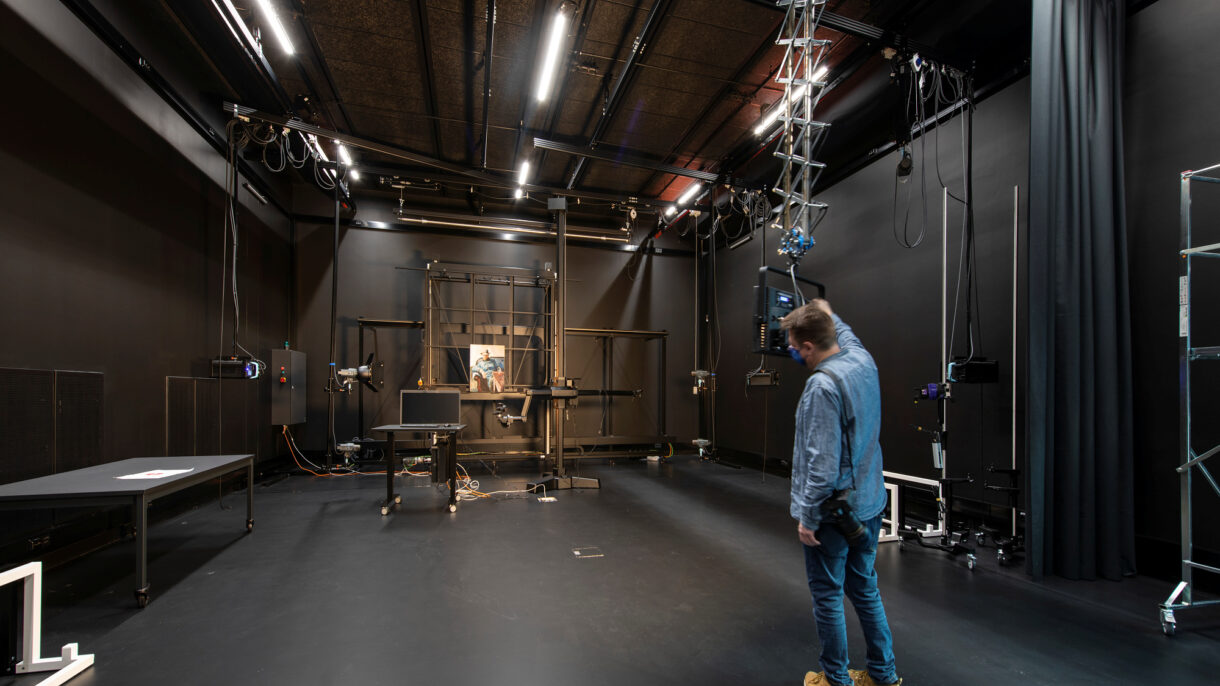
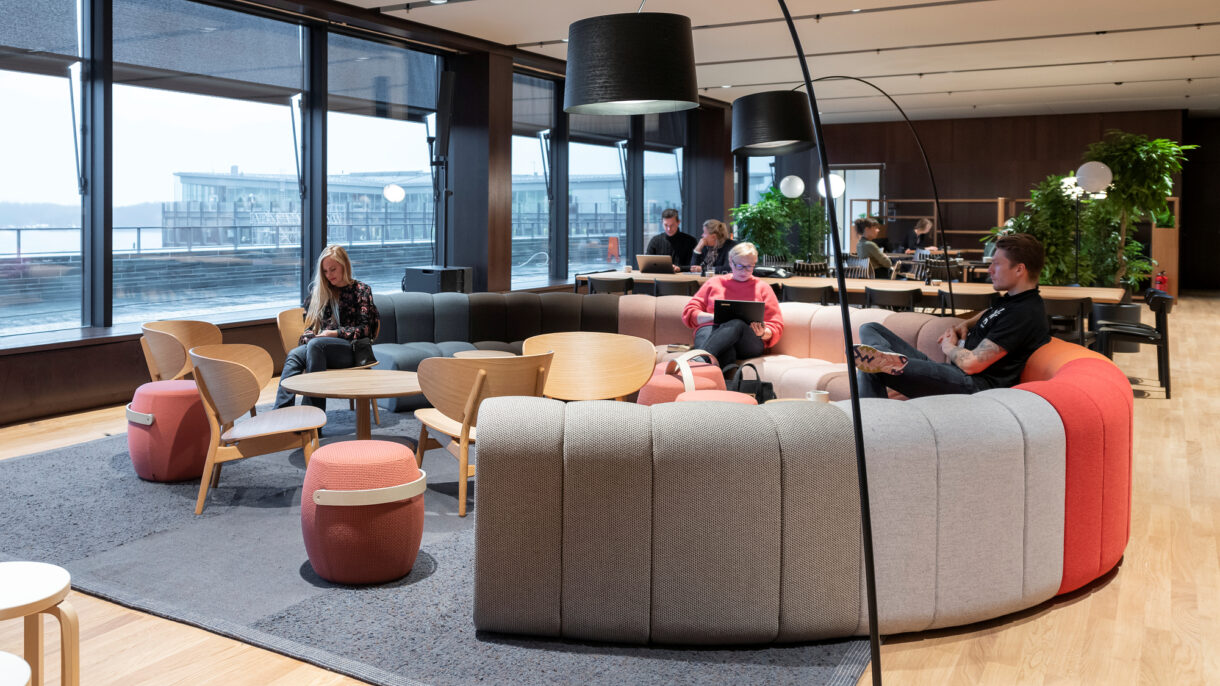
The National Museum is about 54,000 square metres, and has a functional area of about 36,000 square metres. In addition to the permanent exhibitions, the building accommodates flexible exhibition spaces, a library, a multimedia and multi-functional room as well as a restaurant. The museum also has storage areas, workshops and offices for the employees.
Read more here.
Low carbon strategies
The new National Museum project is designed according to FutureBuilt´s criteria of at least a 50 percent reduction of greenhouse gas emissions compared to today´s building standard. The emission calculation covers the areas of transport in use, energy consumption and material use. The greenhouse gas emissions for the museum "as built" shows a decrease of 47,3 percent.
The new museum is centrally located, with very good connections to public transport and in walking distance from many central functions. The museum has no car parking facilities.
The museum building is designed as a compact building, which is a good starting point for energy optimisation. A number of parameters were prioritised in the project development, including improved building air tightness, reduced cold bridges and demand controlled ventilation, a U-value of 0.8 for all windows and a U-value of 0.8 for the glass façade in the exibition hall on top. The building satisfies the energy goals with a good margin.
Passive solutions will reduce energy use. For example the heavy wall construction in the exhibition areas contribute to reduce fluctuations in interior temperature and relative humidity. This will, however, have limited influence on energy consumption, as the internal climate requirements are very strict. A heat pump with seawater as the heat source is installed and will also be used for cooling when possible. The peak heating requirements of the building is covered by district heating.
Alternative material use is prioritised to reduce greenhouse gas emissions. The material´s internal climate properties, chemical content and recycling potential have also been considered. Low carbon cement have been used for all concrete elements, unless special technical requirements dictate otherwise. Other examples are the use of recycled steel and linoleum instead of vinyl flooring. The project has worked systematically to choose products with a minimum of hazardous substances or environmental toxins.
Rainwater is mostly led directly to the sea without taxing the public storm water system. There are also new trees on the property and climbing plants on the Vestbane façades. The highest roof of the building is built as a green roof, with a sedum surface.
Project Information
PROJECT DETAILS:
| Address: | Brynjulf Bulls plass 1, Oslo |
| Municipality: | Oslo |
| Project period: | 2010 - 2022 |
| Status: | COMPLETED (2022) |
| Project type: | New building |
| Building type: | Cultural building |
| Environmental standard: | Passive house standard (NS3700/3701) |
| Type of competition: | Open plan and design competition |
| Contract practice: | Construction management contract |
PROJECT TEAM:
| Client: | The Royal Norwegian Ministry of Culture |
| User: | National Museum |
| Principal: | Statsbygg |
| Architect: | Klaus Schuwerk/Kleihues + Schuwerk |
| Subcontractor: | Dyrvik Arkitekter AS |
| Landscape Architect: | Østengen og Bergo Landskapsarkitekter AS |
| Interior Architect: | Kleihues+Schuwerk |
| Project Management: | Statsbygg |
| Universal Design: | Rambøll AS |
| Environmental Consultant: | Hjellnes Consult AS |
| Counselors: | Rambøll AS, Multiconsult AS, Dyrvik arkitekter AS, BIM Consult AS, Asplan Viak AS, Gaia Lista (miljø bygningsmaterialer - forprosjekt) |
| Contractor: | HAB, AF og Caverion |