

Vertikal Nydalen
2024.08.27 11:01
Vertikal Nydalen is a mixed-use building with 16 storeys where the office part of the building has been built with purely natural ventilation. Despite this the building almost meets zero-energy level and doesn´t require externally supplied energy for ventilation, heating or cooling.
Developer
Avantor
Municipality
Oslo
Architect
Snøhetta as
Status
Completed (2023)
Project description
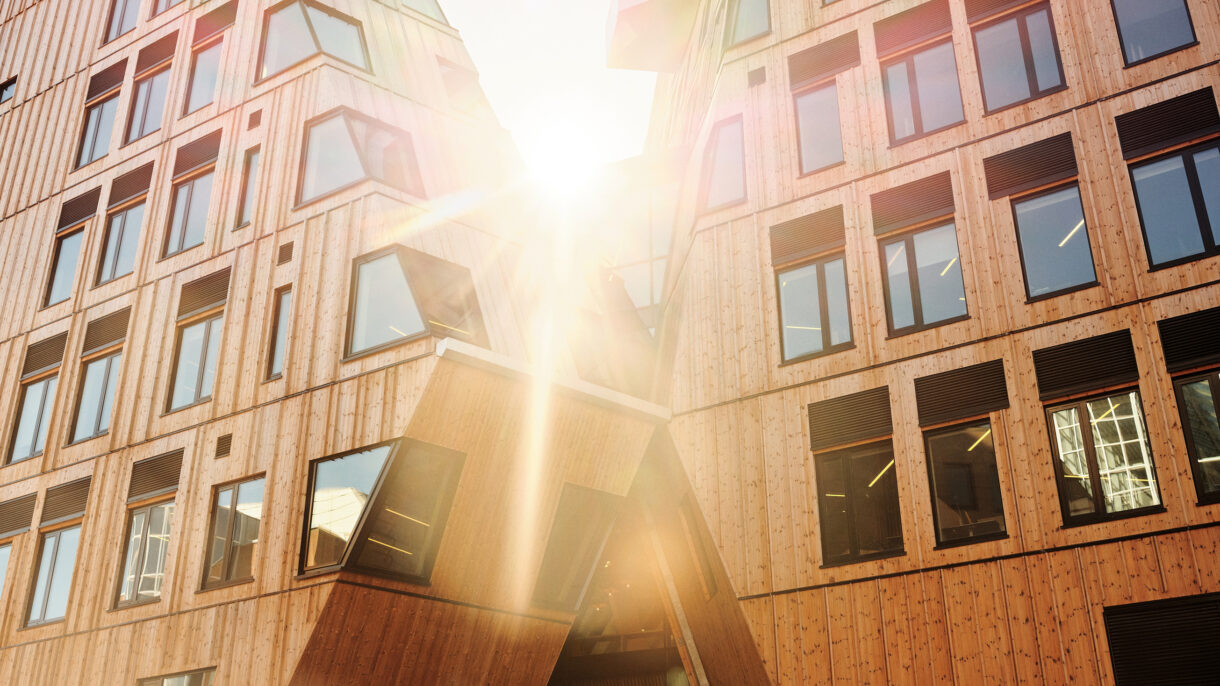
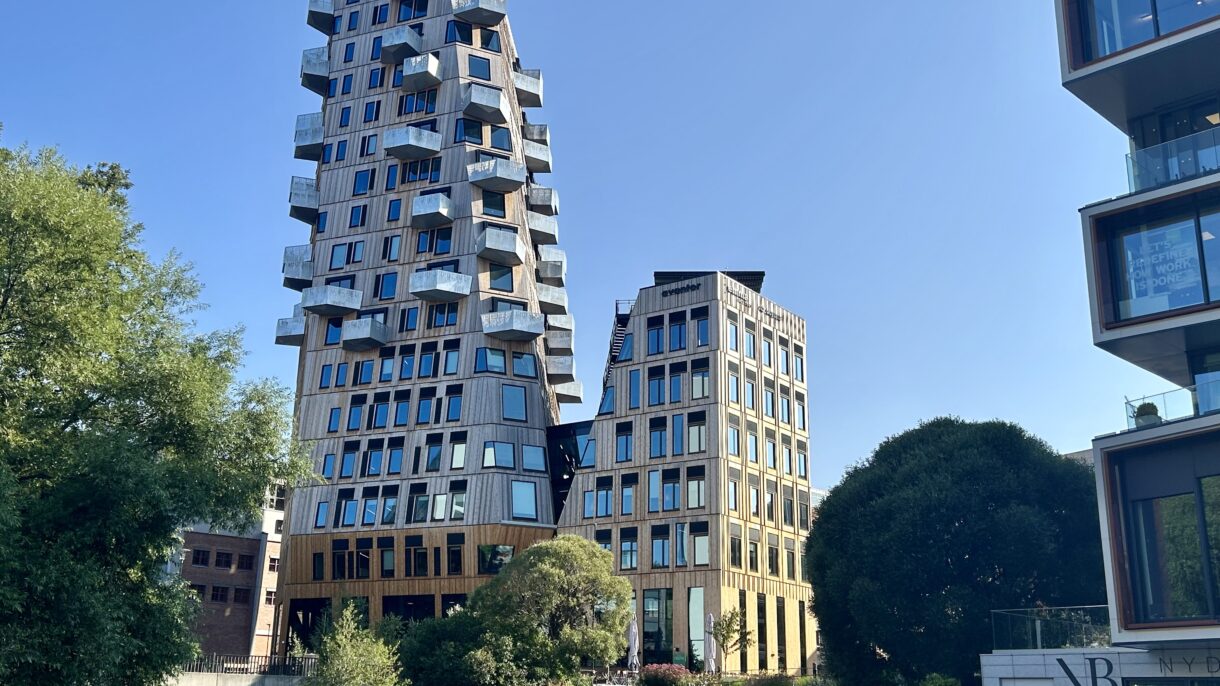
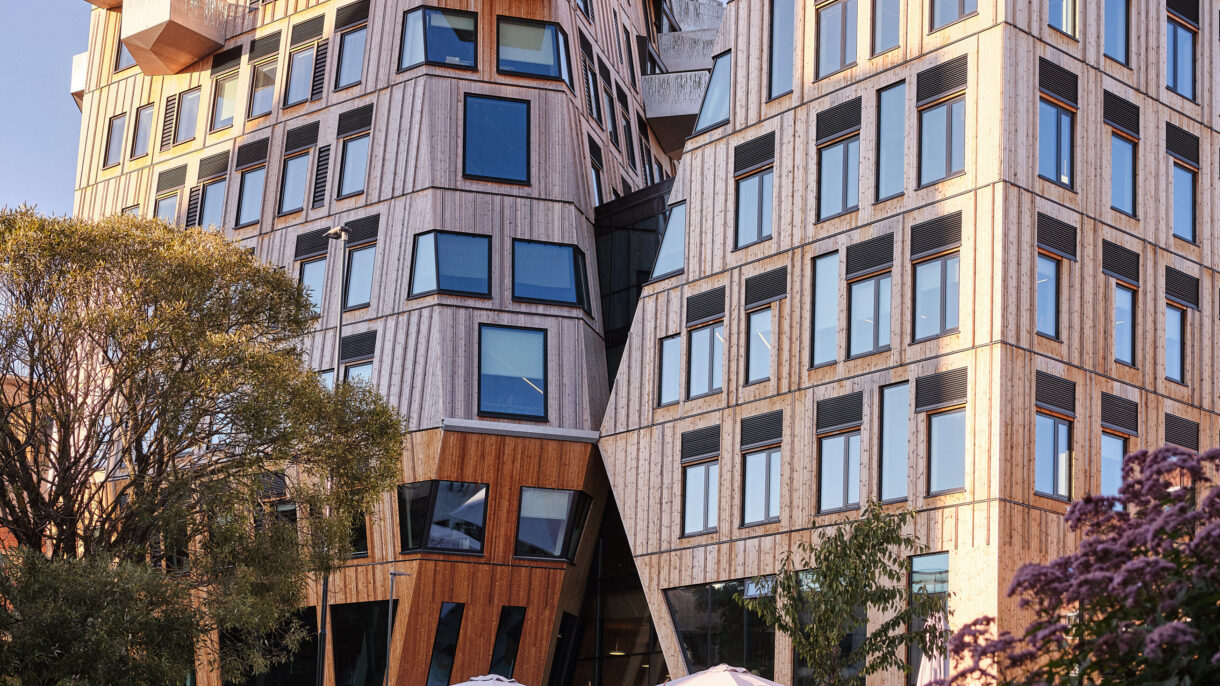
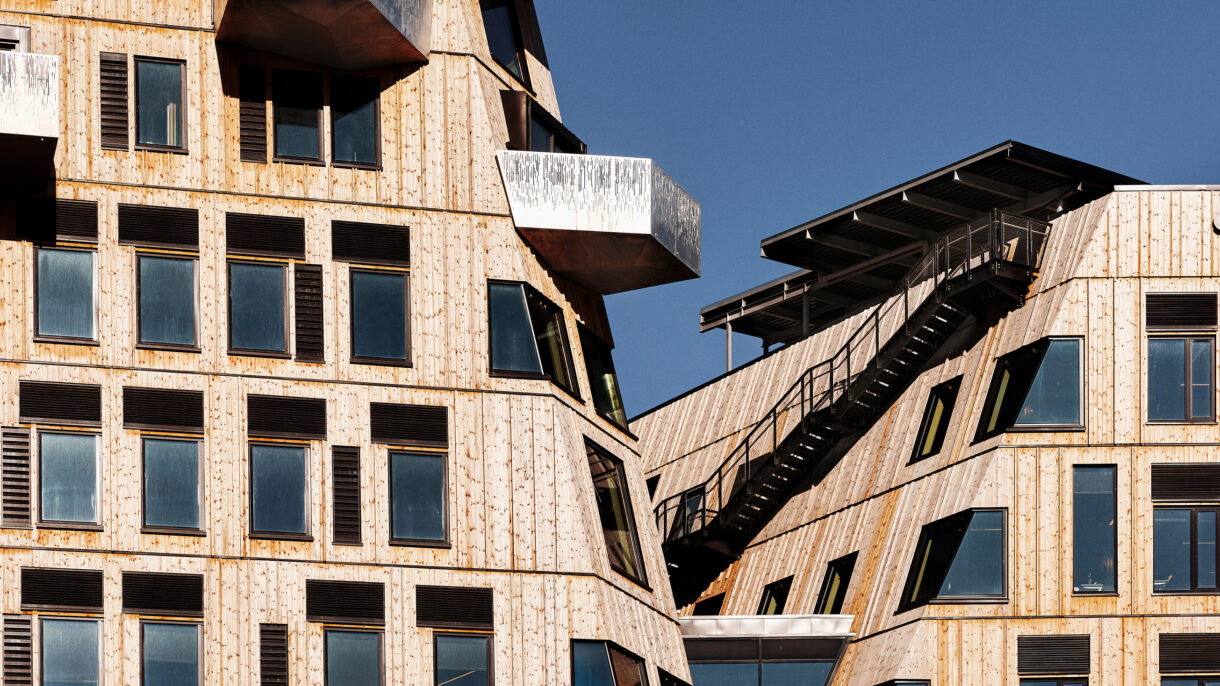
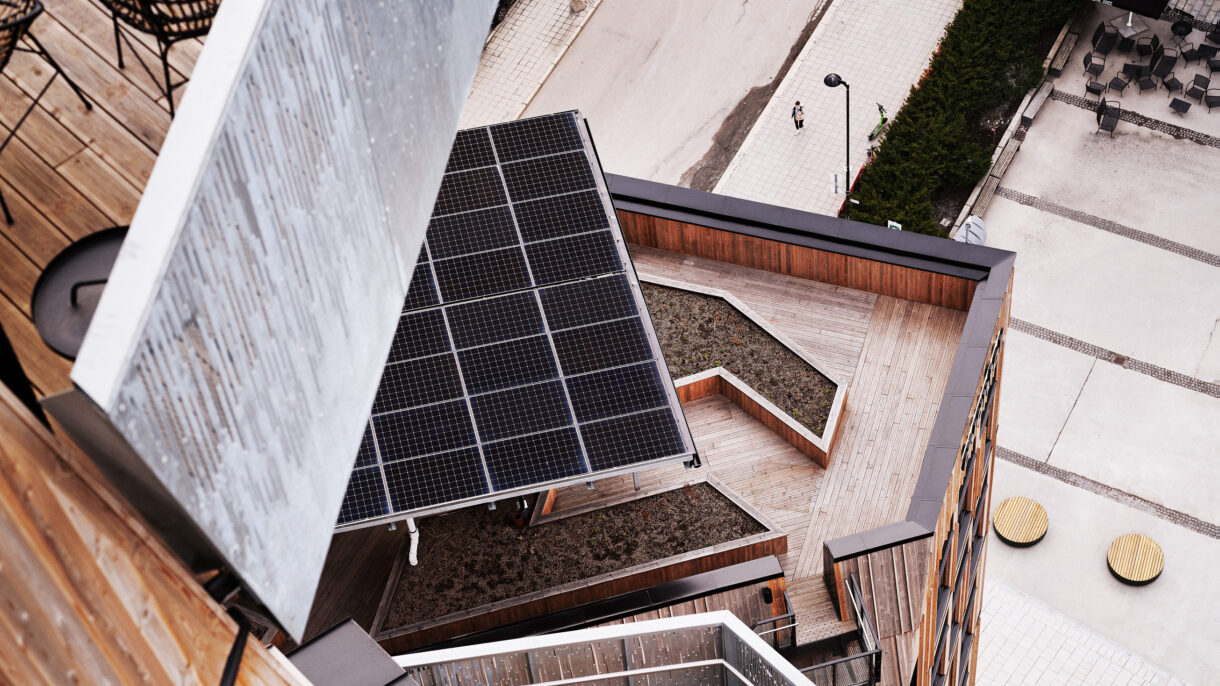
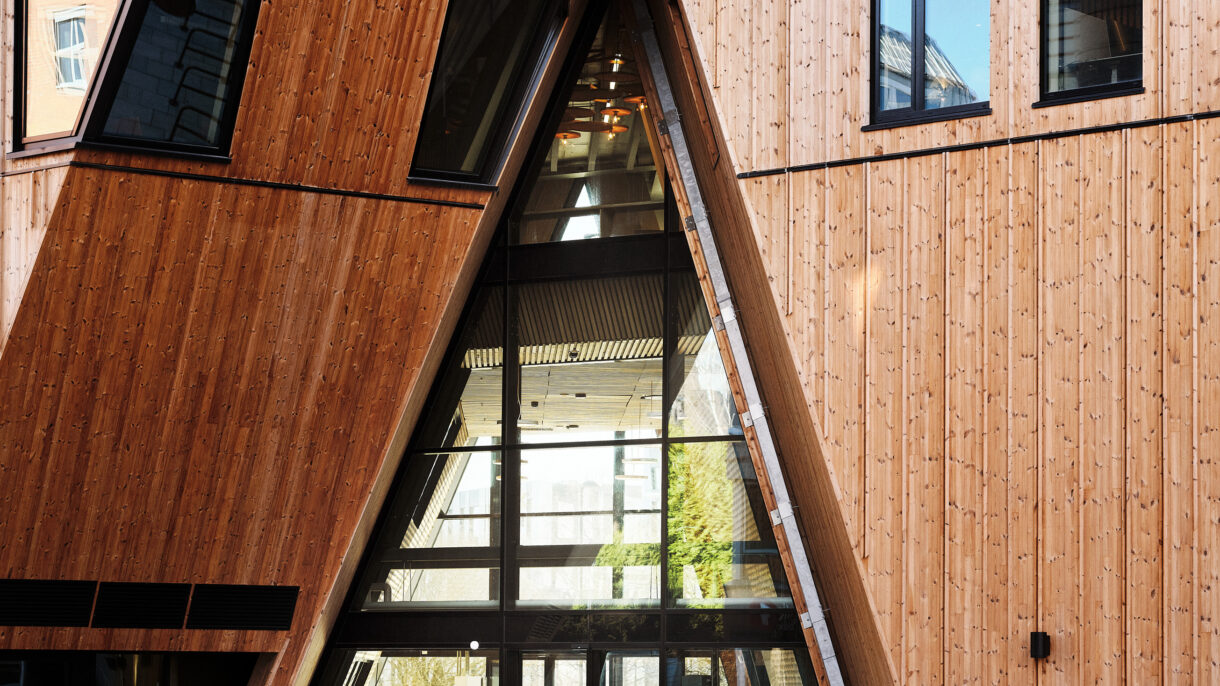
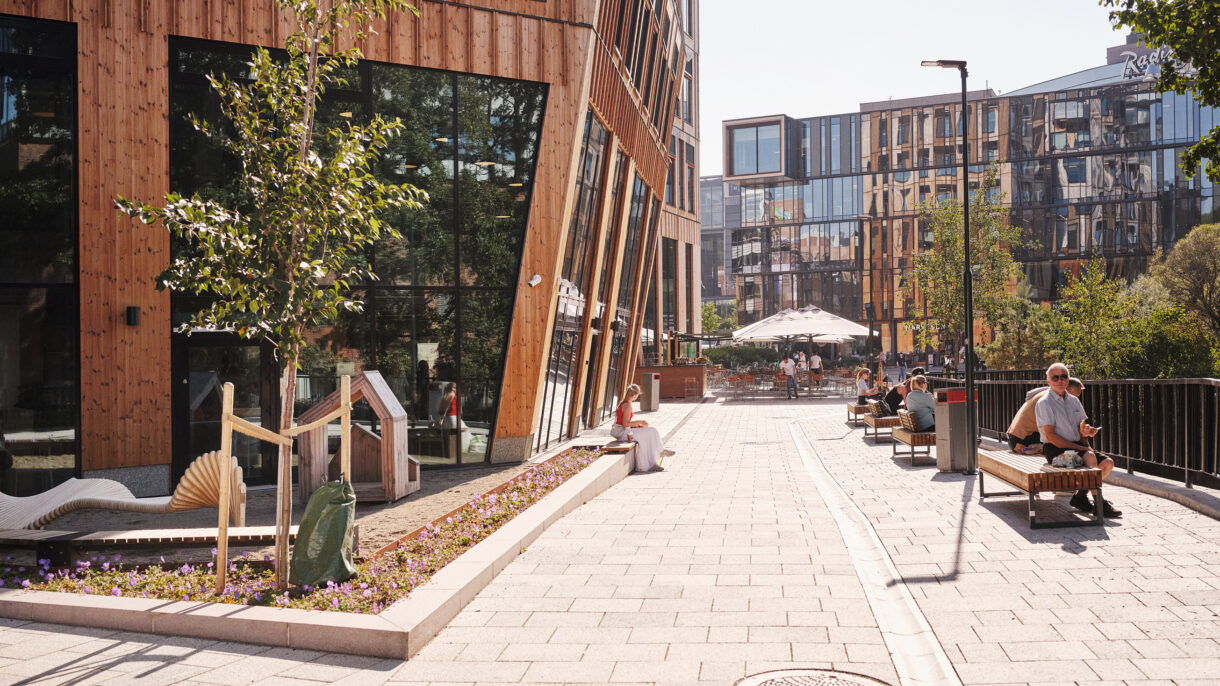
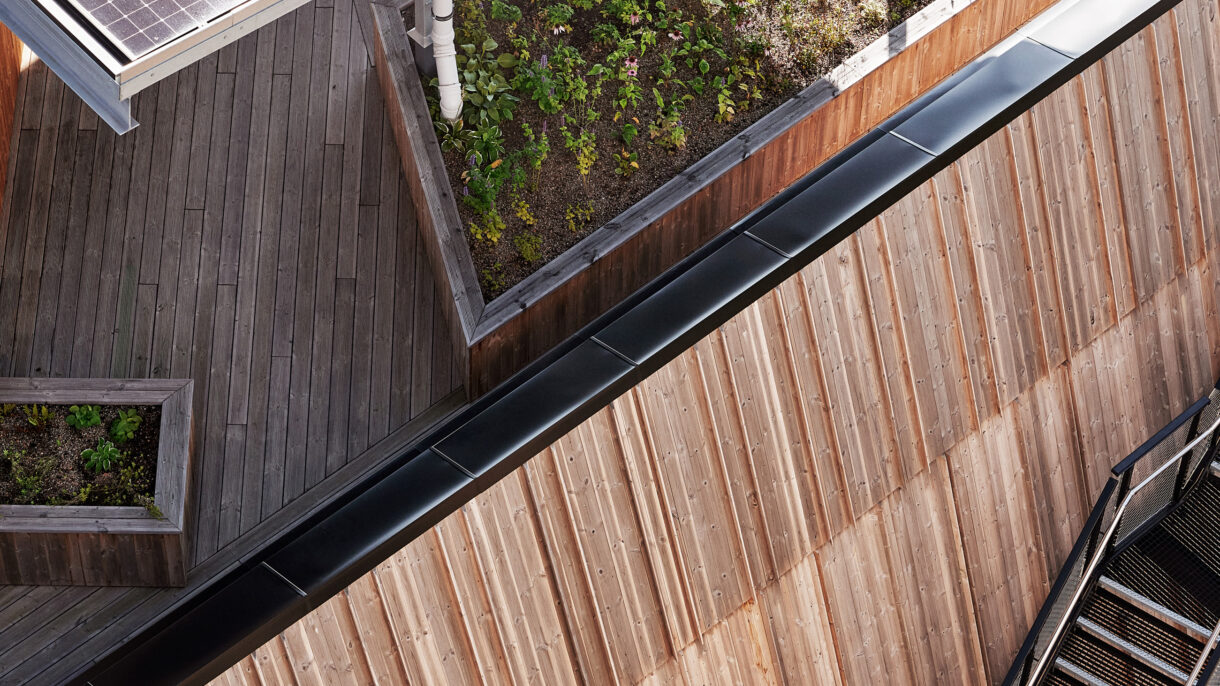
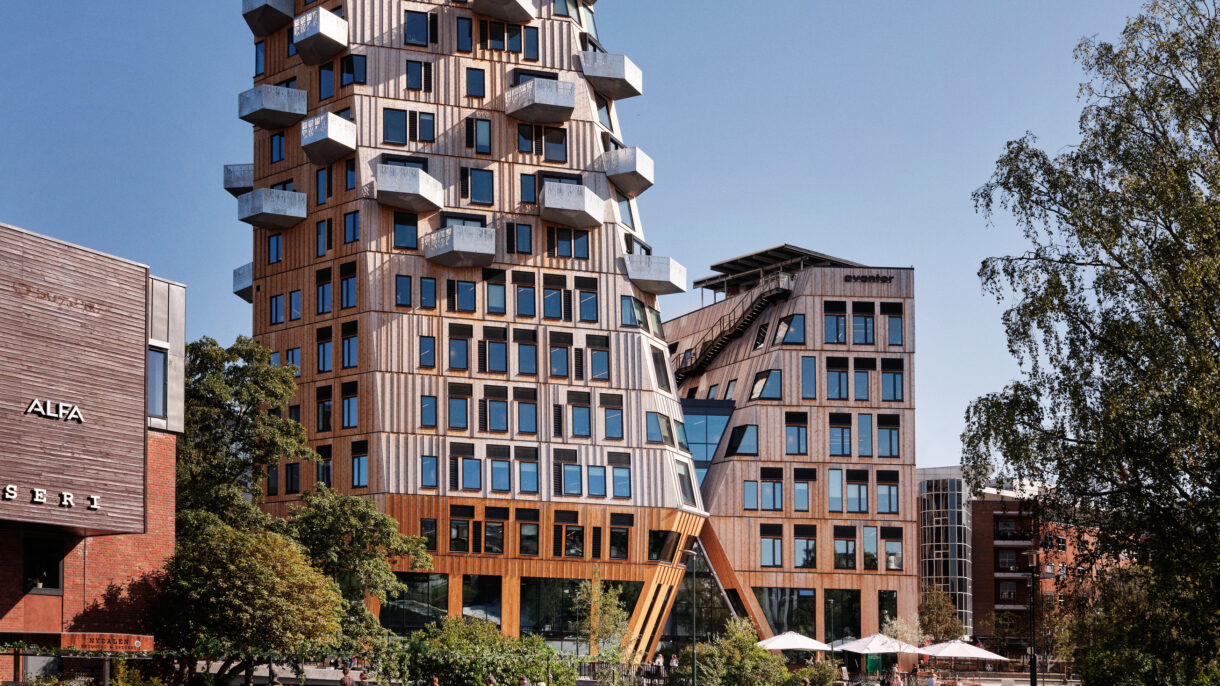
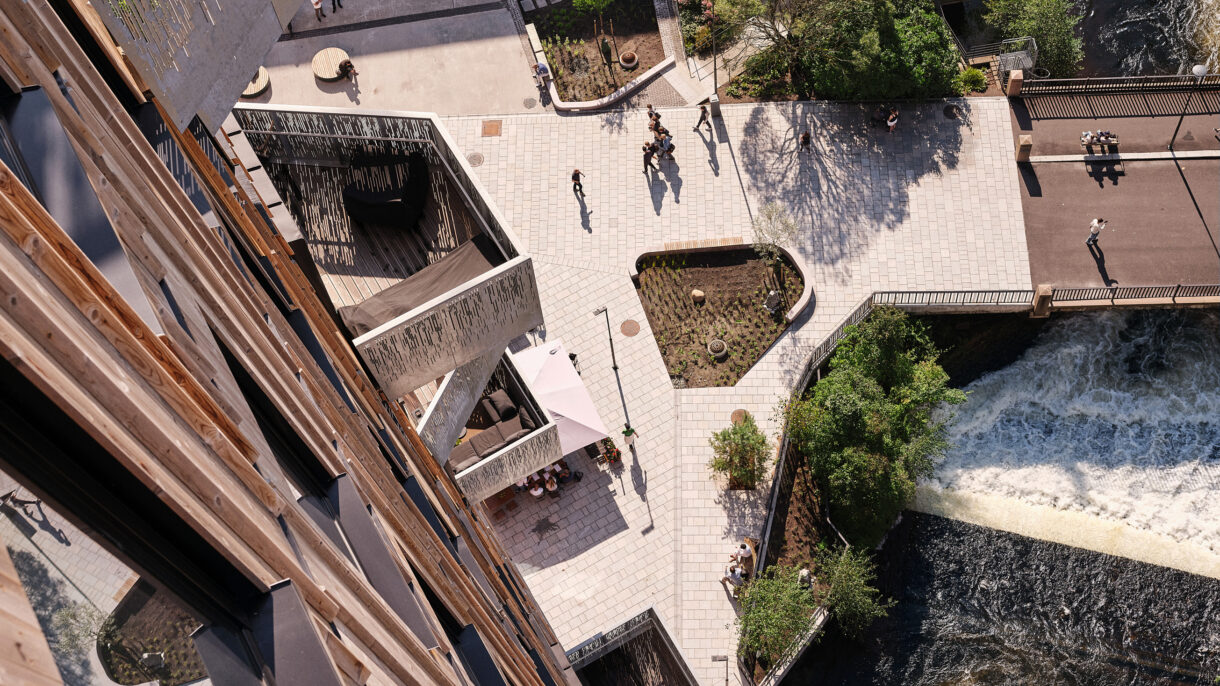
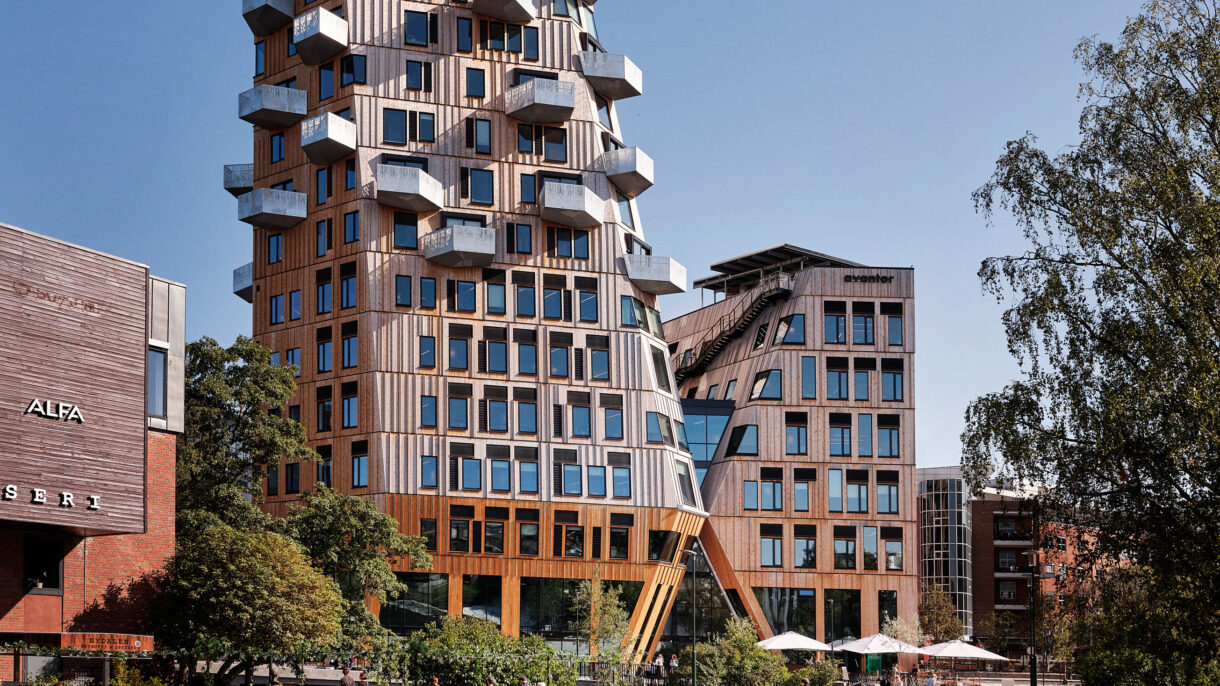
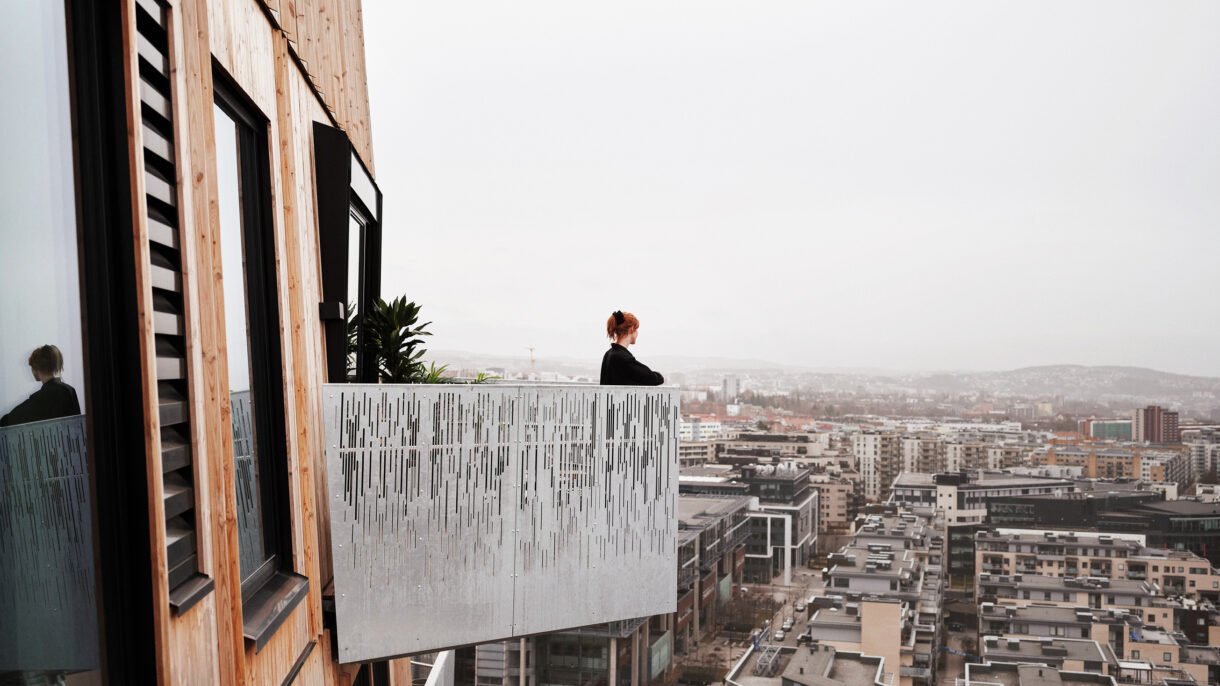
Vertikal Nydalen is an 18-floor building with street-level restaurants, offices on the following five floors, and apartments on top. As a pilot in two research projects on sustainable energy solutions, Vertikal Nydalen has a simplified and self-sufficient climate system, and is Norway’s first naturally climatized mixed-use building. The project is also important in redeveloping the surrounding area into a future car-free and accessible recreational space for the public. The building is divided into two volumes, constructed with concrete slabs and cores supported by steel constructions, and clad in heat-treated pine. The two rooftop terraces are partially covered by PV panels and have wooden planter boxes that can be irrigated with collected rainwater. The plants are selected to create micro-habitats for vulnerable and endagered species.
Low carbon strategies
As a 'triple zero solution' building, no energy is purchased for heating, cooling, or ventilation in neither the office spaces nor the apartments of Vertikal Nydalen. This is achieved using geothermal wells, PV panels, a low-exergy system for heating and cooling, and natural ventilation. The project has more than 50 percent overall reduction of CO2 emissions from materials, transport and energy compared to a reference project.
The building is heated and cooled down with water from geo-wells in the ground underneath the building. The PV panels on the roof power the heat pump that controls the heating and cooling system. Concrete walls absorb heat during the day and release it at night, contributing to a stable temperature in the building.
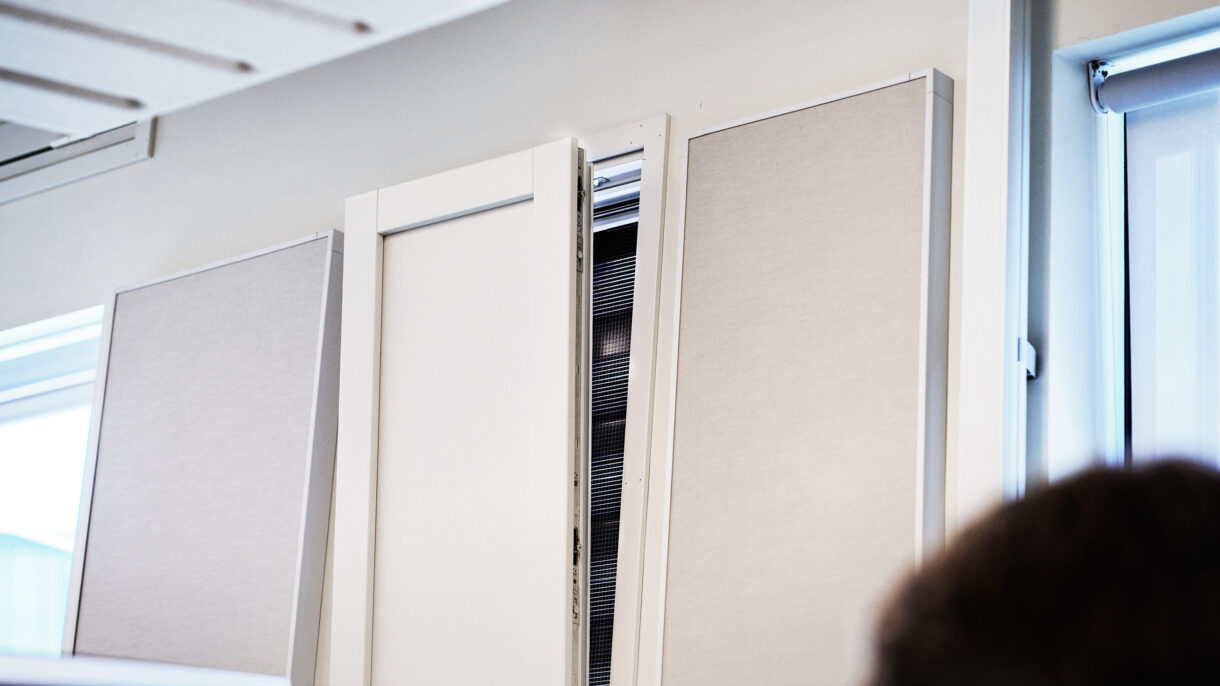
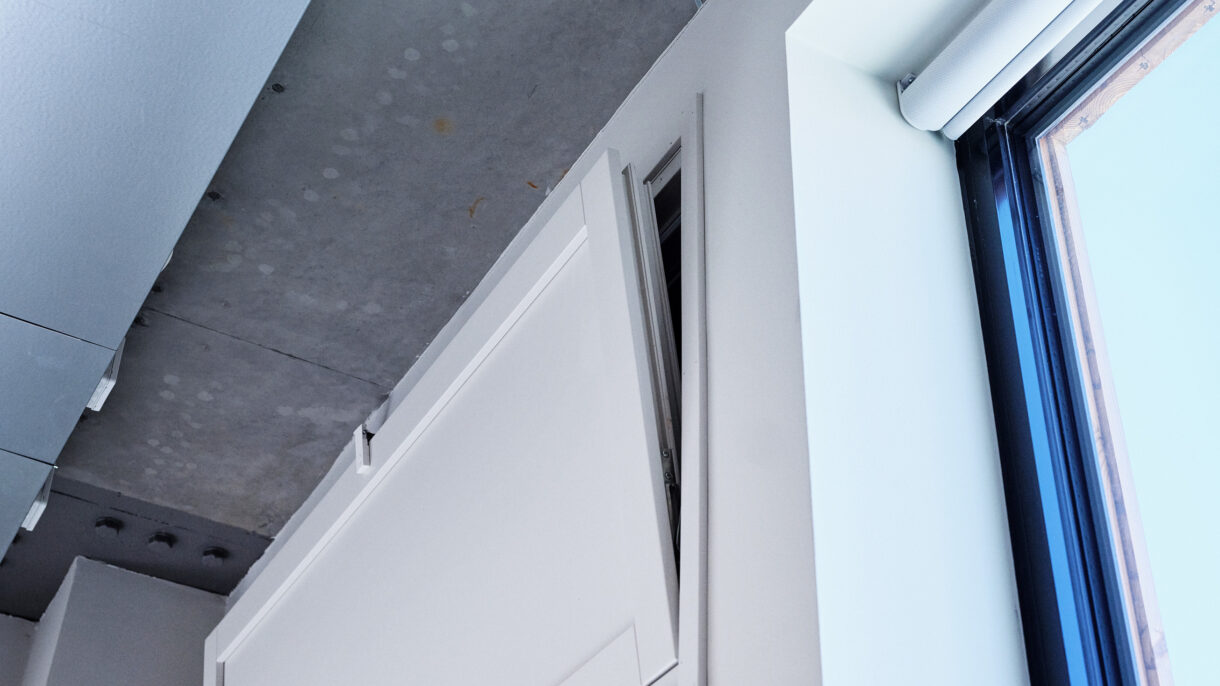
The design of the building plays a key role in the distinctive energy solutions. The volume is designed to create pressure differences that enable the air to move through the premises without mechanical fans. The air enters through valves, or windows, in the façade, which open and close as needed. When two windows open on different sides of the building, the pressure difference forces the air to move through the premises without the use of fans, so the air circulates.
The angles and facets provide pressure differentials and velocity changes in the wind hitting the façade. This contributes to a better ventilation effect on the inside because the wind speed is optimized. The tapering shape towards the top increases the wind speed and the overall aesthetical impression through a narrower silhouette, but also ensures less wind down on the ground.
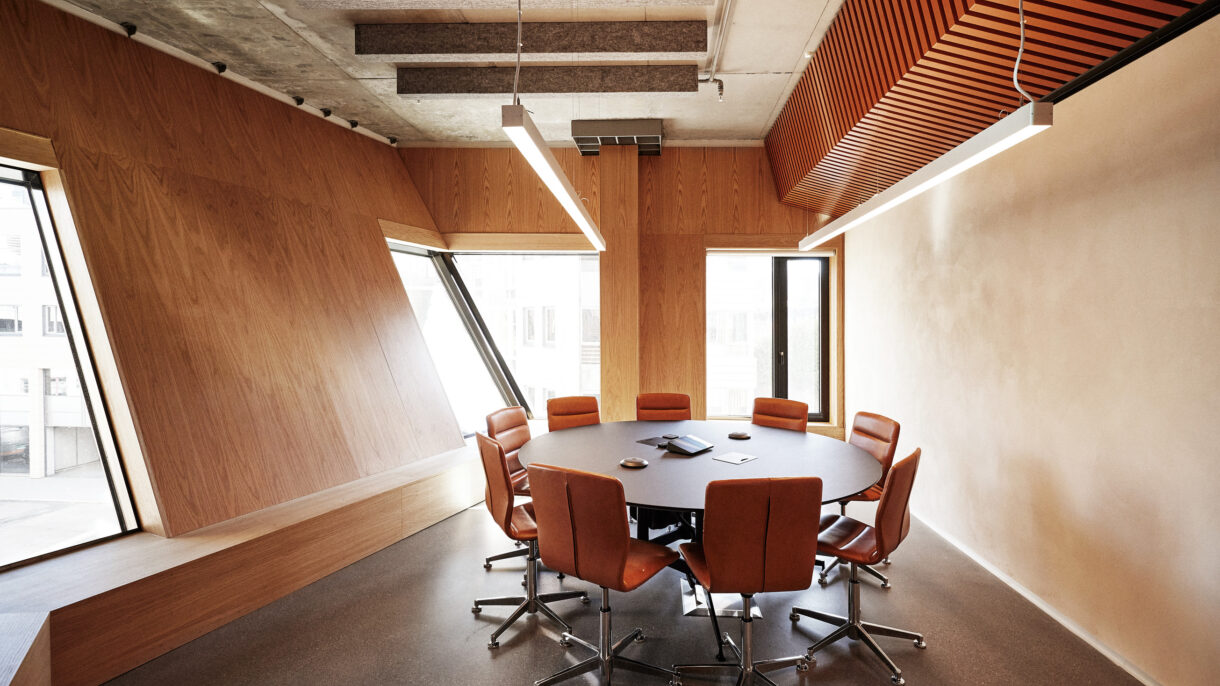
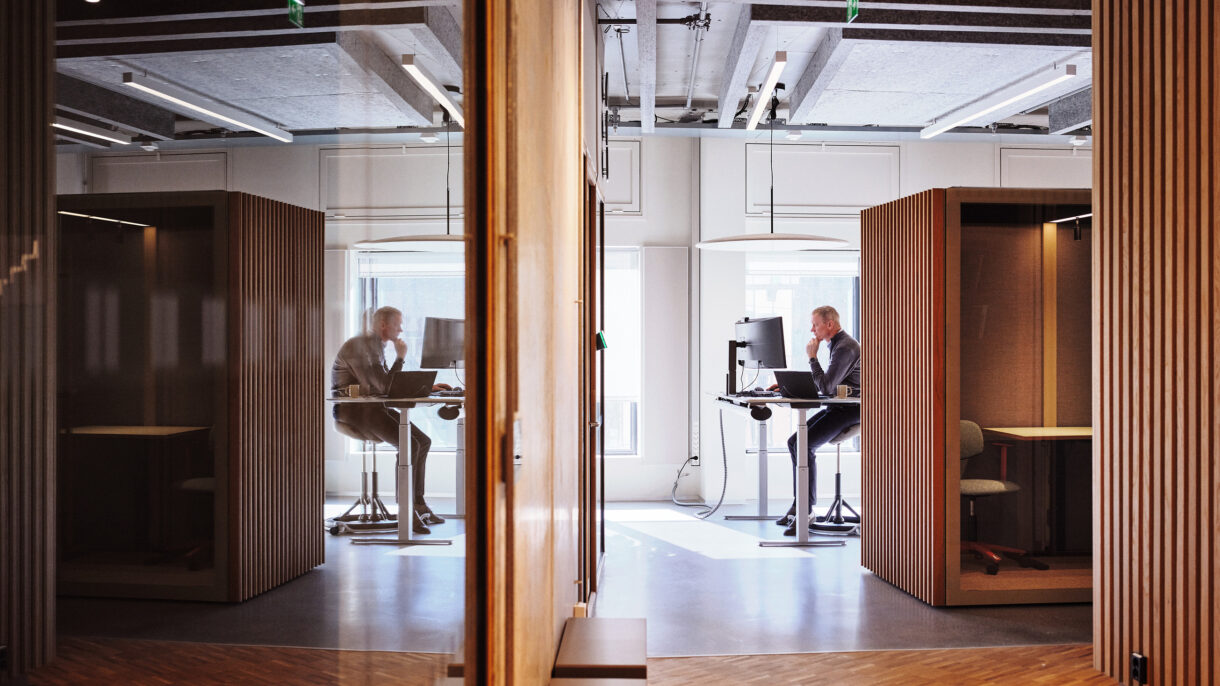
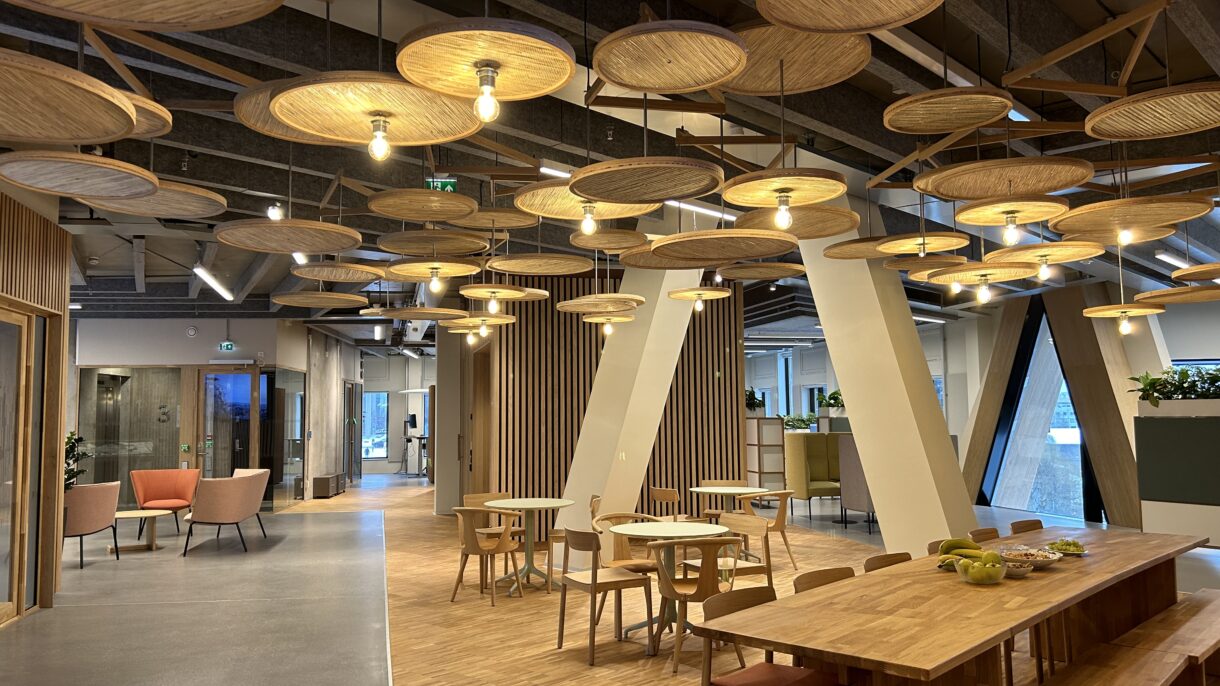
All large meeting rooms have walls constructed with water pipes, clad in clay, and finished with a thin layer of clay tech. These walls can absorb and release moisture, operate as natural radiators, and ensure comfortable temperatures and air humidity. Naturally ventilated offices have less need for remodeling and technical maintenance, so the spaces are designed to last and adapt to the clients' changing needs.
Research
Vertikal Nydalen results from two research projects supported by The Research Council of Norway. LowEx focuses on heating and cooling with very little added energy, and aims to develop new total concepts for thermal energy supply in zero-energy buildings and energy-positive buildings, with performance that is 2 to 2.5 times better than today's state-of-the-art. The interdisciplinary collaboration through the research project Naturligvis, with 13 participants from the Norwegian construction industry, focuses on developing new strategies for natural ventilation. To test and achieve the solutions used in Vertikal Nydalen, it was necessary to apply for exemption from the indoor climate requirements of both the technical regulations and the Norwegian Labour Inspection Authority.
To track the heating and ventilation and collect feedback that can help optimize the climate, sensors are placed throughout the areas, and all desks in the office spaces have QR codes that lead to an online register form where both positive remarks and criticism can be left. The programmed vents will be adjusted to optimize the perceived climate based on this combination of technical measurements and user-generated feedback. The overall performance of the building will be closely monitored over the next years, and energy consumption, indoor climate, and user satisfaction will be measured through the research project Hybrids, an extension of the original Naturligvis. The user experience of thermal comfort and air quality will be followed up on through the project SmartTune.
Text: snohetta.com
You can also read about Vertikal Nydalen in this article in ArchDaily
Project Information
PROJECT DETAILS
| Adress: | Gullhaug Torg 2A, Oslo |
| Municipality: | Oslo |
| Status: | Completed autumn 2023 |
| Project type: | New building |
| Function/building type: | Office and housing |
PROSJEKTTEAM
| Client: | Avantor |
| Architect: | Snøhetta |
| Counselors: | Skanska Teknikk/Skanska Norge, Erichsen & Horgen, Fokus rådgiving (RIEN, RIM), Brekke & Strand Akustikk |